

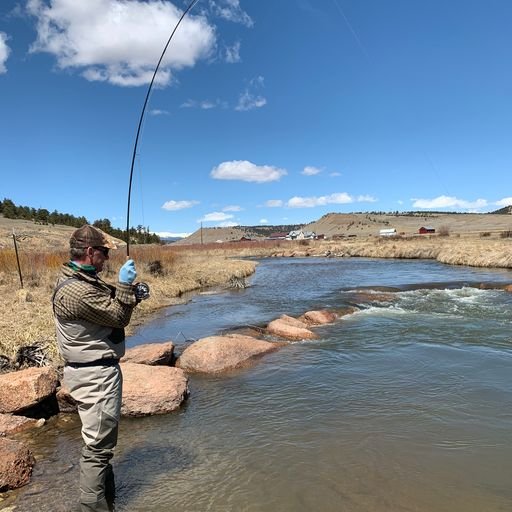
Casting for Recovery is a nationwide nonprofit that has been running free, oncology-informed fly-fishing retreats for women with breast cancer since 1996. Founded by a breast-reconstruction surgeon and a professional fly angler, the program offers women of any age and any stage of treatment or recovery a chance to step away from waiting rooms and into the outdoors. Retreats combine basic fly-fishing instruction, peer support, and wellness sessions led by medical and psychosocial professionals. Everything, lodging, meals, gear, and guides, is provided at no cost to participants.
The gentle casting motion itself can serve as physical therapy for women recovering from surgery or radiation. The deeper gift is mental and emotional: many participants say it is the first time in months or years that they have spent hours without thinking about cancer. Roughly 70 percent of women who attend a CfR retreat have never been to a traditional support group. Across the country, the organization now runs about 60 retreats a year, serving more than 800 women annually and more than 12,000 since its founding.
The North Fork Connection
How did these retreats end up at North Fork Ranch?
For more than 15 years, and now through its 51st retreat at the property, the Colorado Front Range program has held its retreats here with us at NFRGS. The ranch provides a private, beautiful, and supportive setting, comfortable lodging, good food, and carefully managed water on the North Fork of the South Platte. Three retreats typically take place each year (late May through August): two open to women of any stage, and one dedicated metastatic retreat.
The structure is intentional and effective. Participants arrive Friday afternoon, settle in, and begin getting to know one another. Saturday focuses on foundational skills, casting, knots, the differences between fly and spin fishing, and includes wellness sessions. Sunday morning is the fishing day: each woman is paired one-on-one with a volunteer guide for a half-day on the water. Catch-and-release is the rule, and success is measured more by presence than by numbers of fish.
The Guides Who Make It Work
What makes a great volunteer guide for a Casting for Recovery retreat?
Kay DuShane has been involved with Casting for Recovery for about 17 to 18 years and has served as the guide coordinator (“guide wrangler”) for the Colorado Front Range program for roughly a decade. Many of the volunteer guides come from the North Fork Ranch Guide Service team. They give up paid work or days off to be there.
Kay is selective about who joins the guide roster. Technical expertise matters, but it is secondary. The job is not about unloading every piece of fly-fishing knowledge onto a new angler. It is about relationship, patience, and reading the person in front of you. Some participants have limited mobility, vision challenges, or restricted use of an arm. Guides such as Caleb and his wife (both North Fork guides) have become go-tos in those situations, helping women fish from a chair or adapting the experience so everyone can participate fully and joyfully.
The partnership works because both sides share the same values. North Fork Ranch Guide Service already emphasizes high standards, well-maintained gear, cooperative guides, and genuine hospitality. Those same qualities make the ranch an ideal host for a program whose entire purpose is to create a safe, supportive, and uplifting environment.
Why It Matters
Why does a weekend on the river mean so much to participants?
For the women who attend, the weekend is often described as life-changing. For the guides and volunteers, it reminds them why they fell in love with fly fishing in the first place. Standing in a river, focusing on the next drift, the rest of the world fades. That temporary escape can be profound for someone carrying a cancer diagnosis.
North Fork Ranch Guide Service and Casting for Recovery have built something rare: a long-term, mutually respectful partnership that delivers both excellent fishing experiences and meaningful healing. The river keeps flowing, the guides keep showing up, and every year another group of women leaves the ranch with a little more strength, a few new friends, and the memory of time spent simply being present on the water.
If you know a woman who might benefit, you can find applications and more information at castingforrecovery.org. The Colorado Front Range program still relies on local fundraising and volunteer support to keep these retreats free and high-quality, and anyone who wants to learn more about the partnership is welcome to reach out to North Fork Ranch Guide Service.