

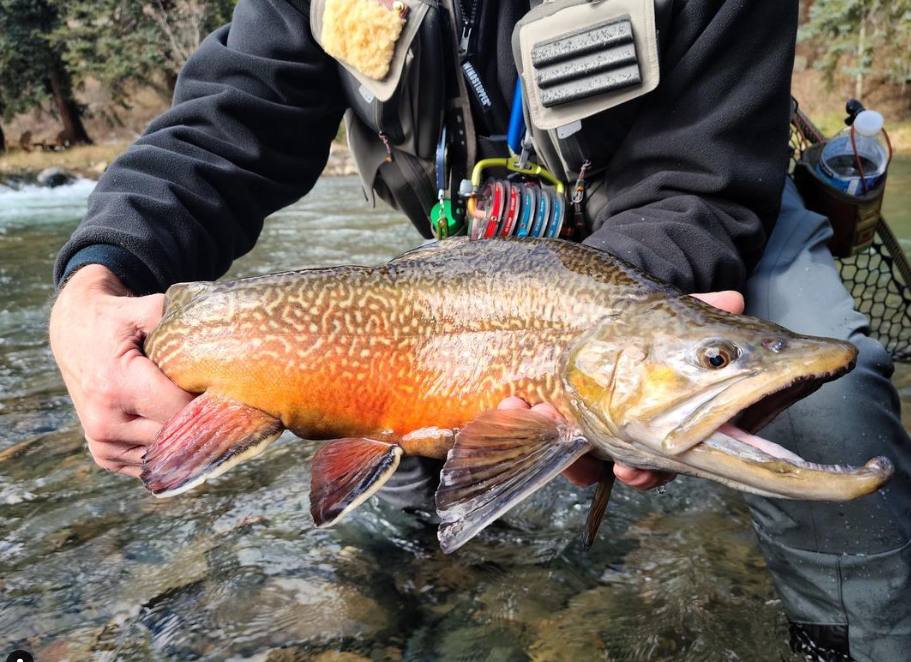
There’s something timeless about standing in cool mountain water, watching your line drift with the current, and feeling that subtle tug, a trout taking your fly. Fly fishing for trout is one of those outdoor experiences that stays with you. It’s equal parts skill, patience, and connection with the river. But for beginners, it can feel overwhelming at first.
With the right tips and mindset, you’ll start catching more trout and enjoying every minute of the learning process. Here are 7 essential fly fishing tips aimed at newcomers who are ready to improve their fly fishing success and build confidence on the water.
Start with the Right Gear
What gear should beginner fly fishers choose to improve their chances of catching trout?
Getting the basics right makes the biggest difference when you’re just starting out in fly fishing. A good, beginner-friendly setup gives you stability and confidence before you start casting into currents and seams.
For trout fishing, most anglers recommend:
- A 9-foot, 5-weight rod with floating line, this setup is versatile for rivers and streams typical of trout habitat. North Fork Ranch Guide Service
- A quality reel with smooth drag
- A variety of leaders and tippet sizes to match stream conditions
- A small selection of flies that imitate common aquatic insects
Fly fishing gear doesn’t have to be expensive, but having the right rod, reel, and flies suited for trout can dramatically improve your success and make learning easier.
Learn the Fundamentals of Casting
Why is casting technique so important for fly fishing success?
Unlike other types of fishing, fly fishing isn’t about bait sinking into the water, it’s about presenting your fly naturally to fish. That means your cast needs to be smooth, accurate, and fluid. Good casting helps your fly land gently on the water so trout don’t spook.
Start with the basic fly cast:
- Keep your wrist soft
- Focus on a controlled back and forward motion
- Let the line do the work
Practice on grass before you hit the river. Imagine you’re painting a big “S” in the air with your line, it helps reinforce the rhythm without worrying about hooks and water.
Understand Trout Feeding Behavior
How does knowing trout feeding habits help you catch more fish?
Trout don’t eat randomly. They target insects and organisms in predictable patterns. Learning how trout feed means you can match the hatch, that is, choose flies that resemble what fish are eating right now. FishingBooker
Watch the water:
- Rising trout often feeding on hatching bugs
- Riffles where currents bring food downstream
- Quiet seams where trout watch for drifting food
Matching your fly to what’s naturally available improves your chances of drawing a strike.
Read the Water Like a Pro
Where should you cast to find trout in a river?
Reading water is one of the most important skills in trout fly fishing. You’re not fishing randomly, you’re looking for trout habitat.
Focus on:
- Eddies where water slows and food collects
- Current seams where fast meets slow water
- Pocket water near rocks and structure
- Tailouts at the downstream edge of riffles
Trout instinctively hold in these areas because it takes less energy to feed. If you can cast into likely holding spots, you’ll catch more trout.
Keep Your Movements Quiet and Natural
Why does stealth improve trout catch rates?
Trout are sensitive. Heavy footsteps, loud voices, and sudden movements can scare fish away long before you cast.
Approach the water:
- Quietly and with intention
- From downstream or angled paths rather than straight at likely trout spots
- With an eye on shadows, especially early and late in the day
A gentle presence on the riverbank helps you get closer to fish without spooking them.
Practice Patience – Trout Don’t Always Bite on Demand
How does patience affect beginner fly fishing success?
Fly fishing isn’t fast food, trout have their own rhythm. Some days they’re aggressive, other days they barely nibble a well-presented fly. Patience and observation help you adapt.
When you don’t get strikes:
- Change your fly color or size
- Adjust your retrieve speed
- Try a new water feature
Being patient and adaptable gives you more opportunities to learn the river’s mood.
Learn from Guides and Local Anglers
Why should beginners fish with experienced anglers?
Some of the best learning happens beside someone who knows the water, the flies, and the techniques that work. Whether it’s a guided trip, a local angler sharing tips, or just watching others cast, you’ll pick up invaluable shortcuts to success.
Guides can teach you:
- How to read specific trout water
- Effective fly selections for current conditions
- Subtle casting tweaks that make a big difference
And once you start connecting with flies and trout, the sport becomes even more addictive.
Enjoy the River and the Journey
Is fly fishing more about catching fish or the experience?
At its heart, fly fishing is as much about the experience as it is about catching fish. There’s a rhythm to standing in a trout stream – the hum of water, the feel of the breeze, the slow anticipation of a take. Even if you don’t land a huge trout every time, there’s something deeply satisfying about being out there, practicing your skills, and soaking up the environment.
Remember: trout fly fishing is a journey. Each trip teaches you something new. With every cast, you learn, and with a little persistence and the tips above, your success will grow.
Ready to Catch More Trout on Your Next Trip?
Whether you’re just starting or looking to improve, these tips will help you become a better trout fly fisher. For more guidance, gear recommendations, and expert fly fishing trips, join us on the water and let us help you make your next outing unforgettable.